AES-authenticated HF
MIFARE Ultralight AES Wooden RFID Cards
MIFARE Ultralight AES wooden RFID cards add 128-bit AES authentication and integrity options to a lightweight 13.56 MHz credential route. They suit secure limited-use tickets, event access, hospitality, controlled membership, and loyalty programs where the integrator needs stronger protection than a basic Type 2 Tag while keeping fast reader transactions.
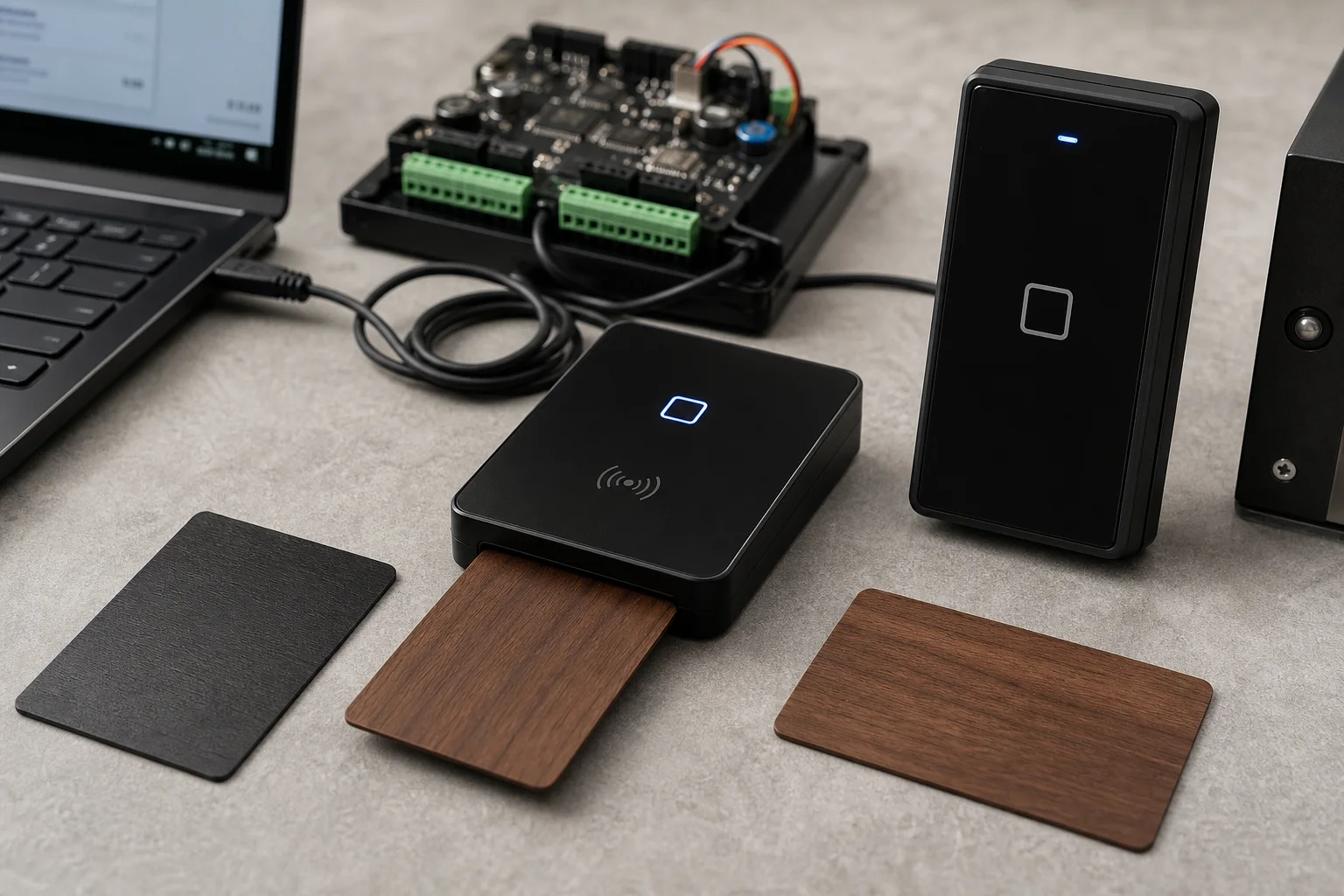
Ultralight AES route brief
| Frequency | 13.56 MHz secure HF |
|---|---|
| Best use | Lightweight secure ticketing, controlled membership, event access, loyalty, and programs needing stronger authentication than basic Type 2 tags. |
| Chip route | MIFARE Ultralight AES or a platform-specified AES-authenticated lightweight HF chip. |
| Phone behavior | Not a generic tap-to-URL choice by default. Phone behavior depends on the app, NDEF setup, and AES authentication flow. |
| Encoding | AES keys, authenticated data pages, counters, UID mapping, access rights, and NDEF or app-specific payloads from the integrator brief. |
| Approval check | Define key ownership, personalization responsibility, app or reader support, and sample validation before artwork approval. |
Visual references
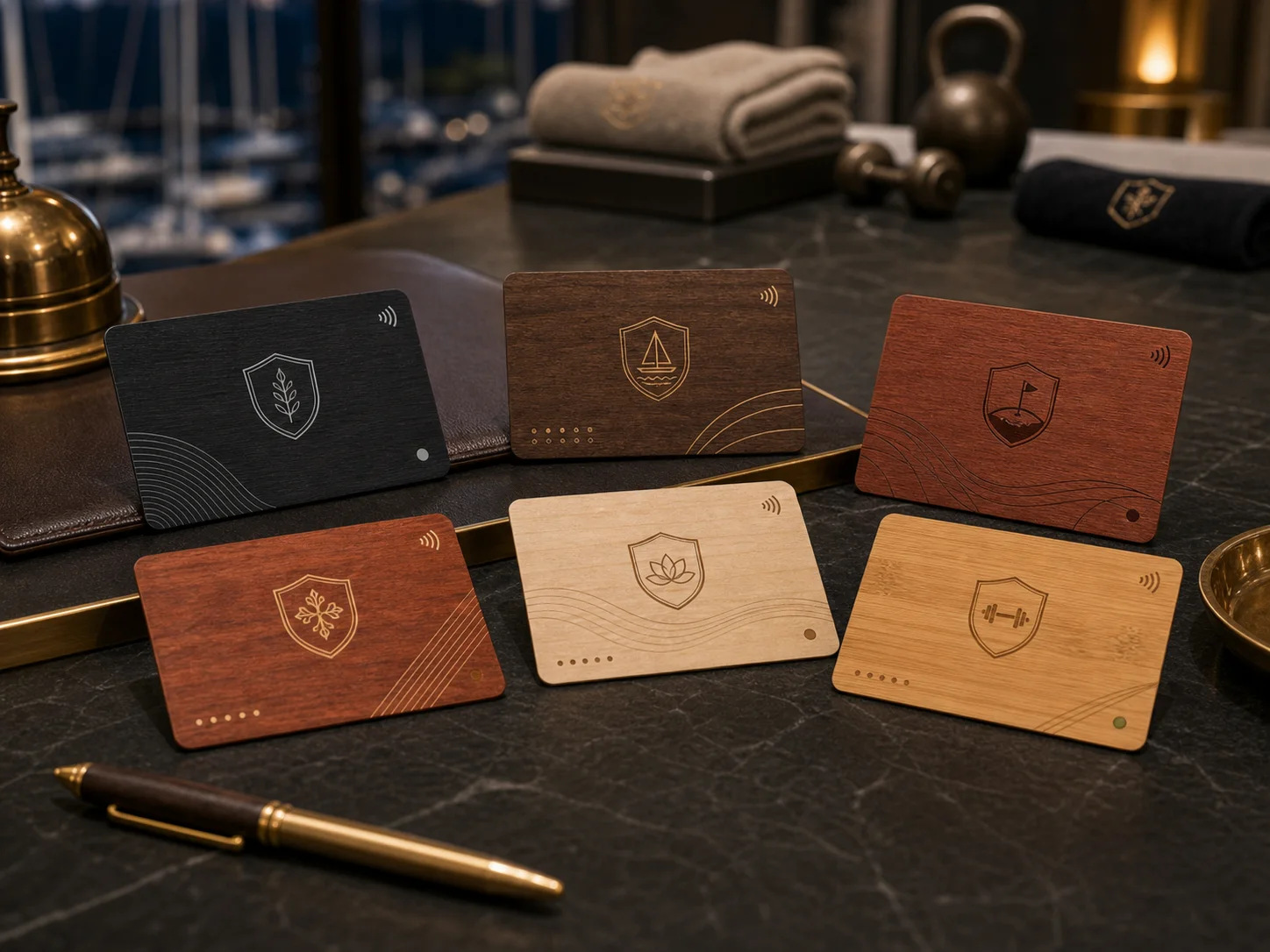
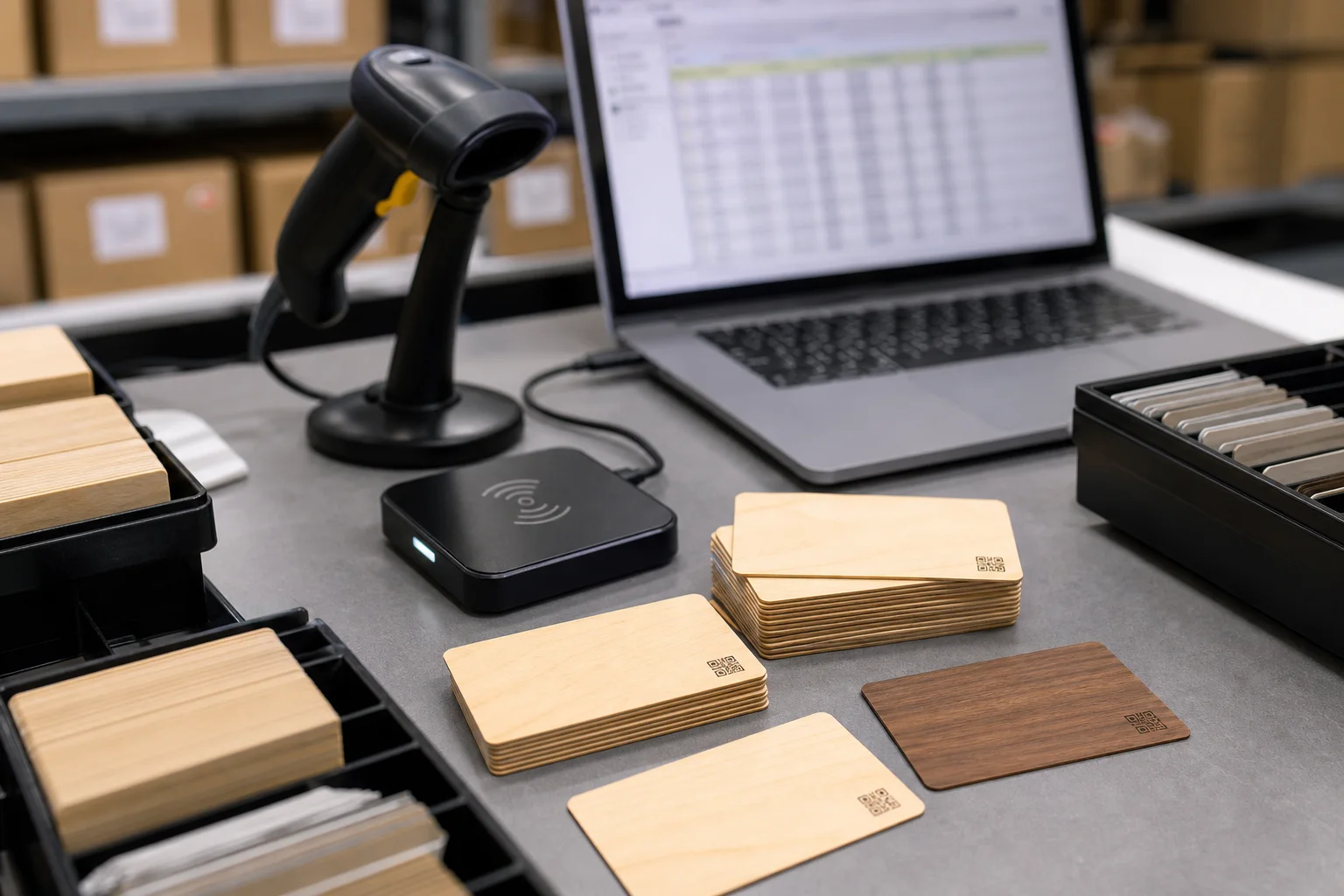
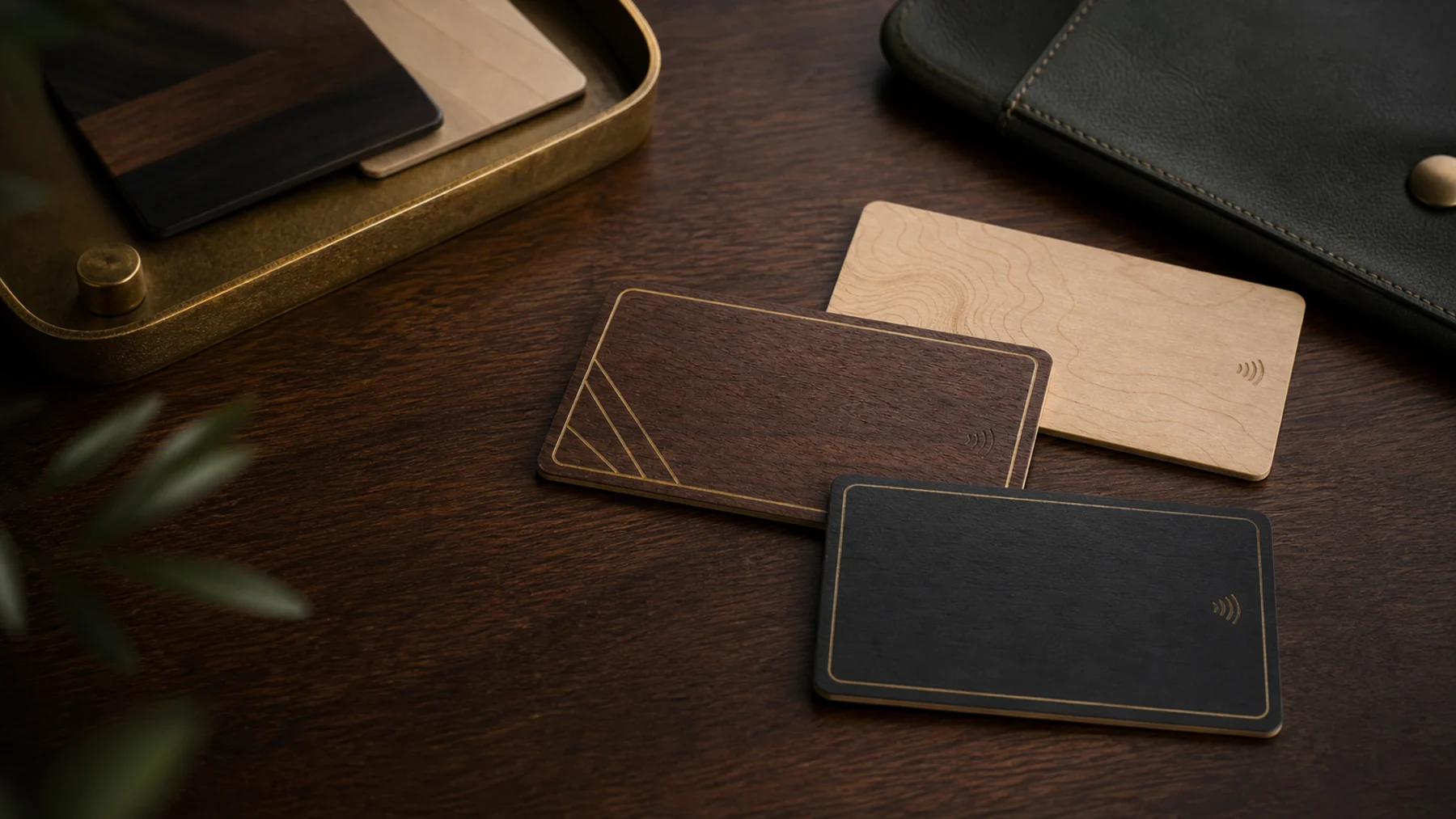
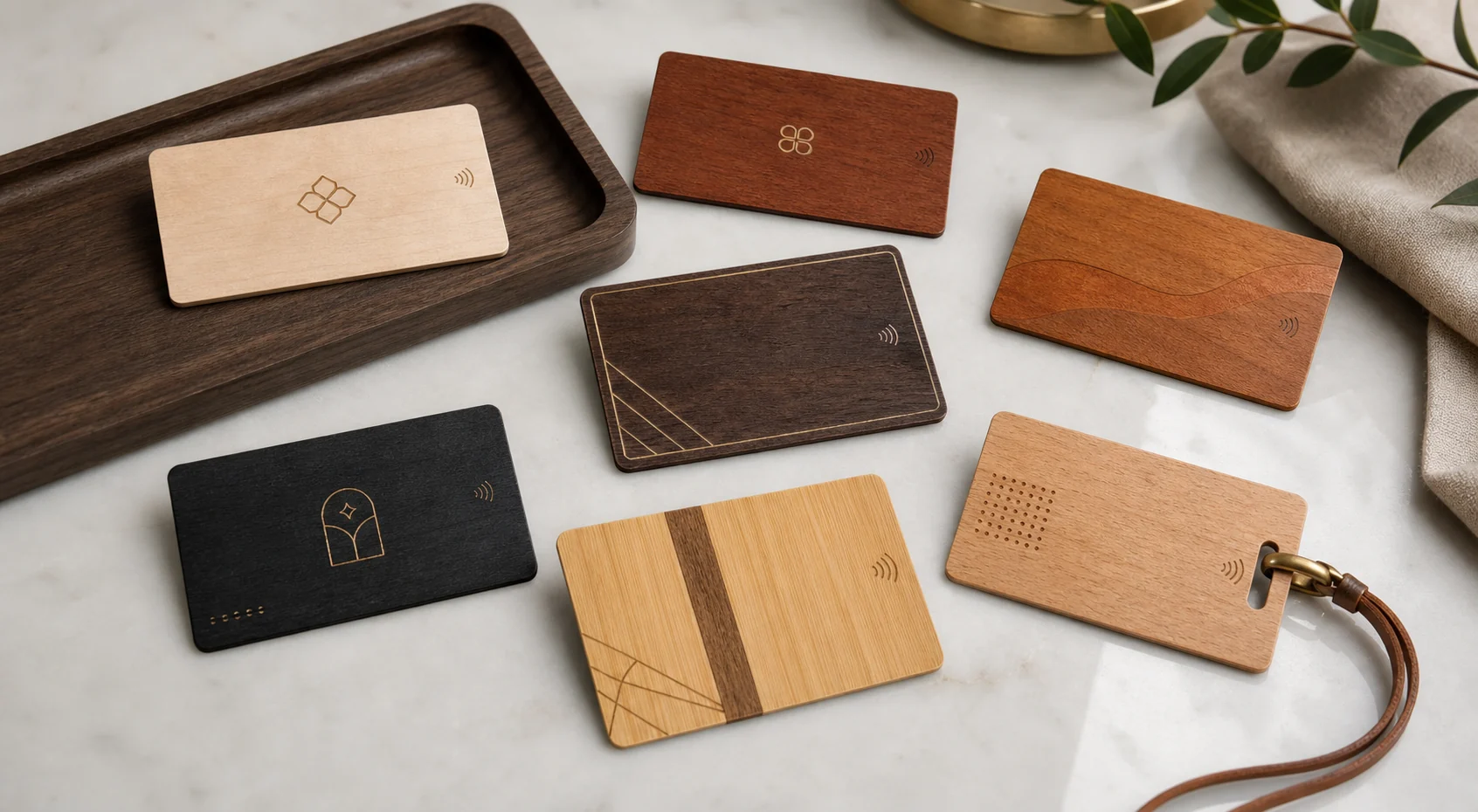
Ultralight AES is secure by design, not a generic URL tag.
The chip is selected when the reader or app expects AES-authenticated data. Public tap-to-URL behavior is possible only when the full NDEF and application design supports it; it is not the default buying route.
Define key ownership before personalization.
The integrator should specify who creates, injects, stores, and rotates AES keys, which data pages require authentication, and who is responsible for secure personalization and reissues.
Map counters, access rights, and payloads together.
Authenticated pages, one-way counters, UID mapping, access rights, optional NDEF data, and app-specific payloads must follow one approved data model rather than separate production notes.
Validate the whole reader or app flow on a sample.
A working wooden sample should pass authentication, data read or write, counter behavior, and normal transaction timing on the target reader or app before artwork approval.
Best uses
- Secure limited-use and event tickets
- Controlled membership and loyalty
- Hospitality guest access
- Programs requiring authenticated lightweight data
Frequently asked questions
When should a project use MIFARE Ultralight AES?
When a limited-use ticket, event, hospitality, membership, or loyalty program needs 128-bit AES authentication and stronger data protection than a basic open Type 2 Tag.
Can Ultralight AES open a public URL on a phone?
It can support an NDEF configuration, but it is not a generic tap-to-URL choice by default. Phone behavior depends on the app, NDEF setup, access rights, and AES authentication design.
Who manages the AES keys?
The integrator must define who creates, injects, stores, and rotates the keys, which pages require authentication, and who handles personalization and replacements before production starts.
Specification
| Card size | CR80 and custom dimensions by drawing |
|---|---|
| Card body | Plastic-free, FSC-certified wood body options |
| Thickness | 0.80 mm to 2.0 mm by wood species and chip |
| Minimum order | None — single samples to production runs |
| Production time | About one week after artwork and sample approval |
| RF planning | Chip, antenna, thickness, and finish approved together |
| Approval route | Material sample, working RF sample, production proof |
| Frequency | 13.56 MHz secure HF |
| Chip route | MIFARE Ultralight AES or a platform-specified AES-authenticated lightweight HF chip. |
| Encoding | AES keys, authenticated data pages, counters, UID mapping, access rights, and NDEF or app-specific payloads from the integrator brief. |
| Approval check | Define key ownership, personalization responsibility, app or reader support, and sample validation before artwork approval. |
| Security | 128-bit AES authentication with platform-defined key and access policy |
Related wood RFID card pages
- LF Wooden RFID Cards
- HF and NFC Wooden Cards
- NTAG Wood NFC Cards
- MIFARE Ultralight Wooden RFID Cards
- MIFARE Wooden RFID Cards
- DESFire Wooden RFID Cards
- UHF Wooden RFID Cards
- T5577 Wooden RFID Cards
- Wooden RFID Card Encoding