(02) — Blog
1. Material recognition that does not imitate payment.
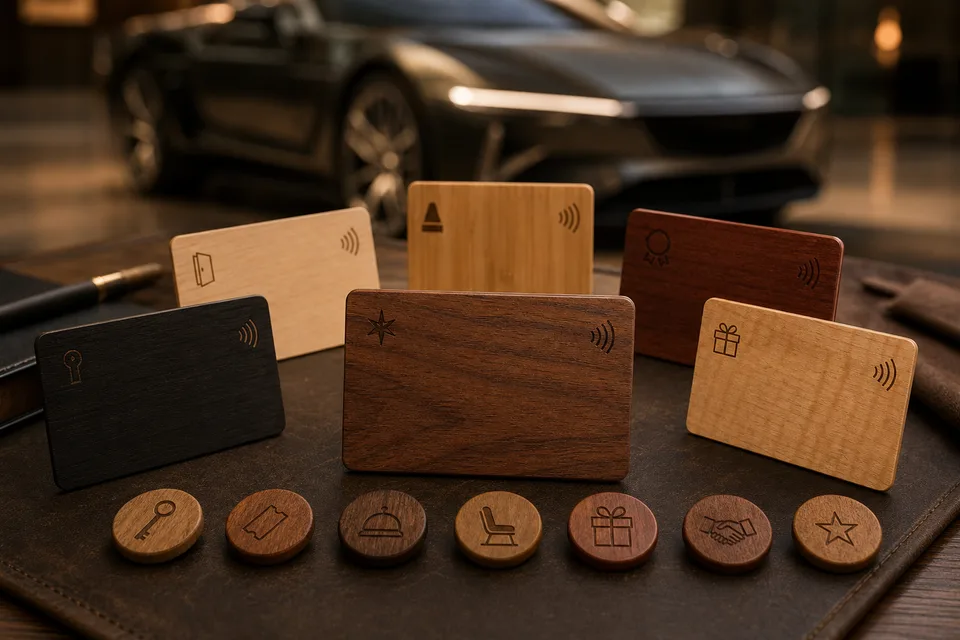
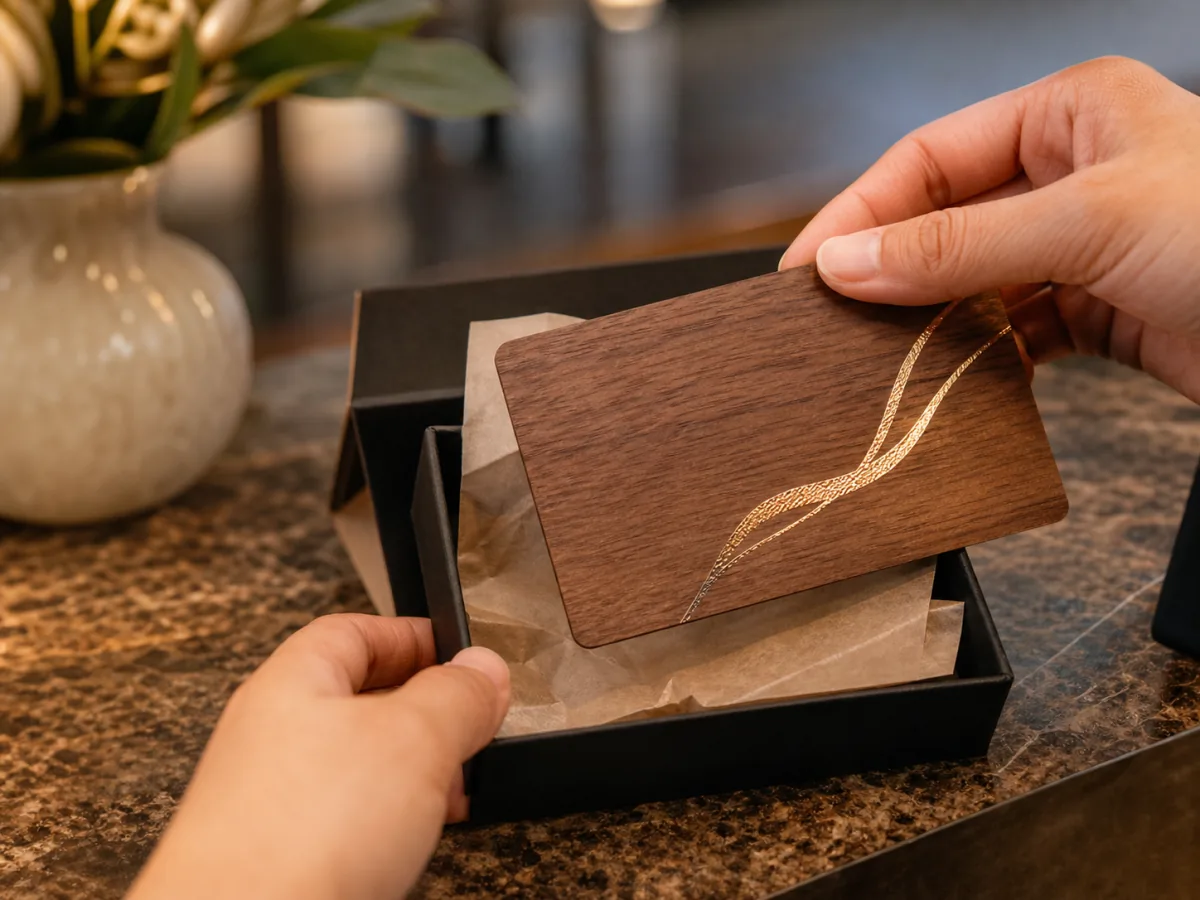
Real grain gives the card an immediate identity in a wallet or welcome pack. Walnut, birch, bamboo, sapele, cherry, cork, and black wood each carry a different visual tone without relying on bank-card styling. That recognition helps when the material fits the club, residence, hospitality, or automotive program. It is not a substitute for clear language: the card should still state what membership it represents and avoid payment or vehicle-key cues it cannot support.
(03) — Blog
2. Clear member and tier identification.
A name, member number, level, icon, and species or finish cue can help staff identify the relationship quickly. Because grain varies, the written tier and data hierarchy must carry the meaning, not wood color alone. The live system remains responsible for current eligibility. This combination lets the card feel individual while still working as a controlled identifier across reception, events, lounges, service desks, or private facilities.
(04) — Blog
3. Access and event validation where a system exists.
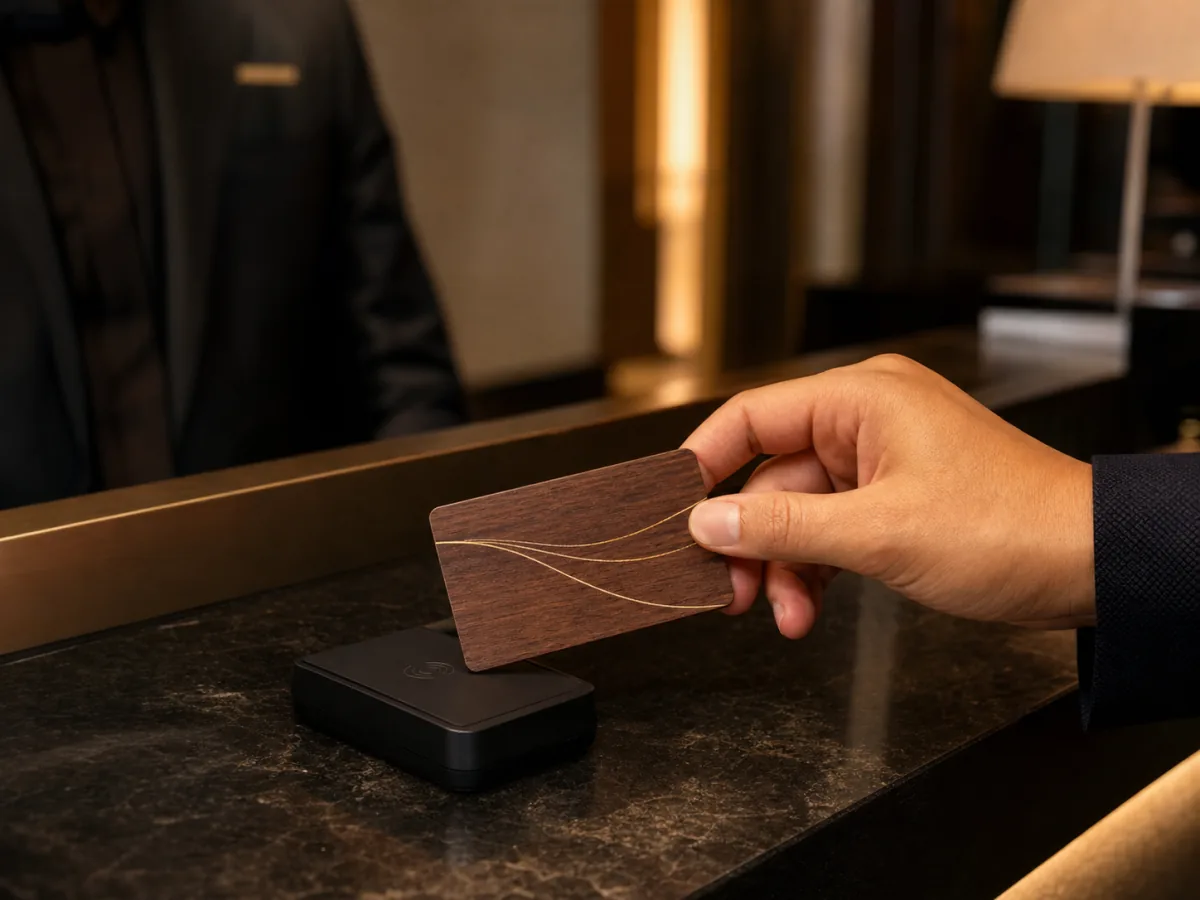
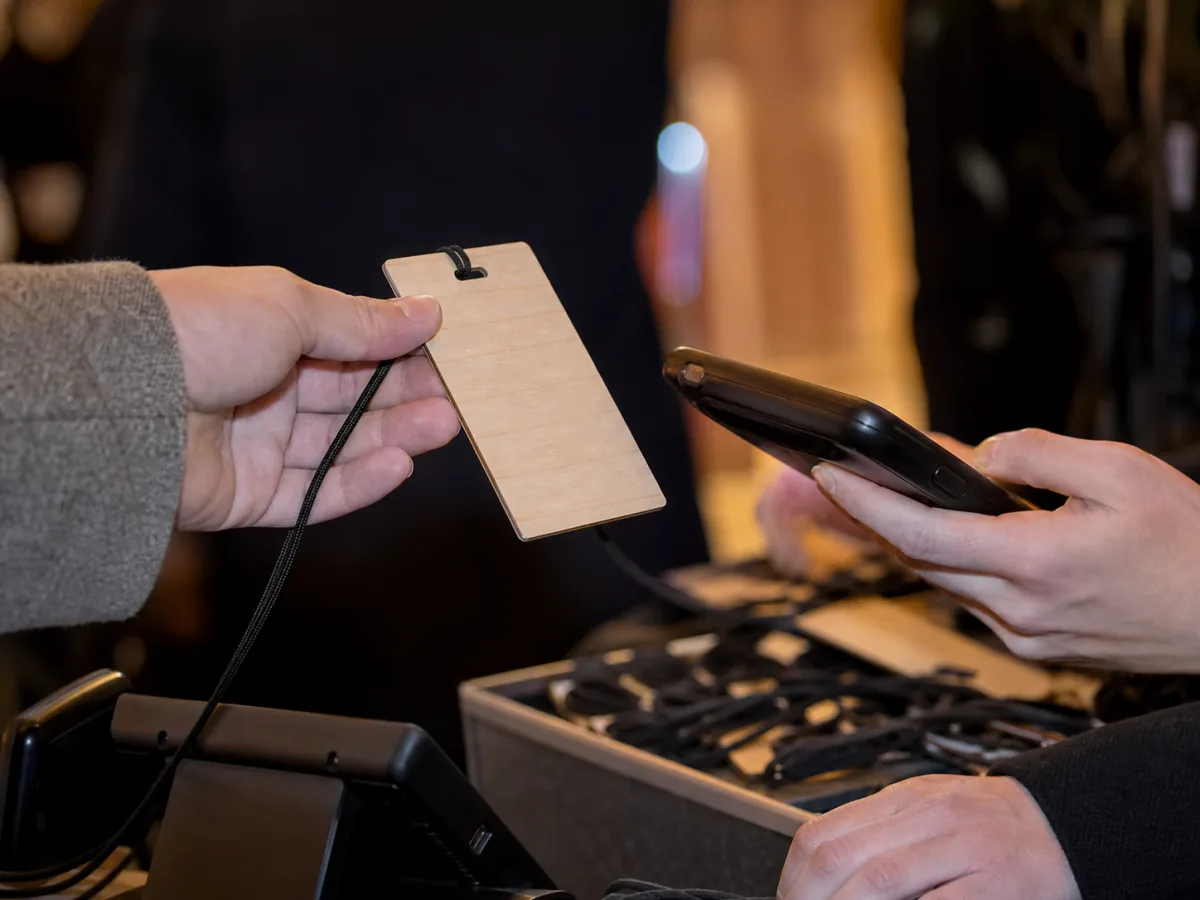
A wooden RFID card can operate a compatible door, gate, locker, lift, or event reader when the correct chip, encoding, inlay, thickness, and finish are proven on that equipment. This is a technical benefit, not an automatic property of wood or of an RFID logo. Programs should map each access point, test the final sample, retain a fallback, and disable lost credentials promptly. Visual VIP status never overrides live permissions.
(05) — Blog
4. Faster booking and service through NFC or QR.
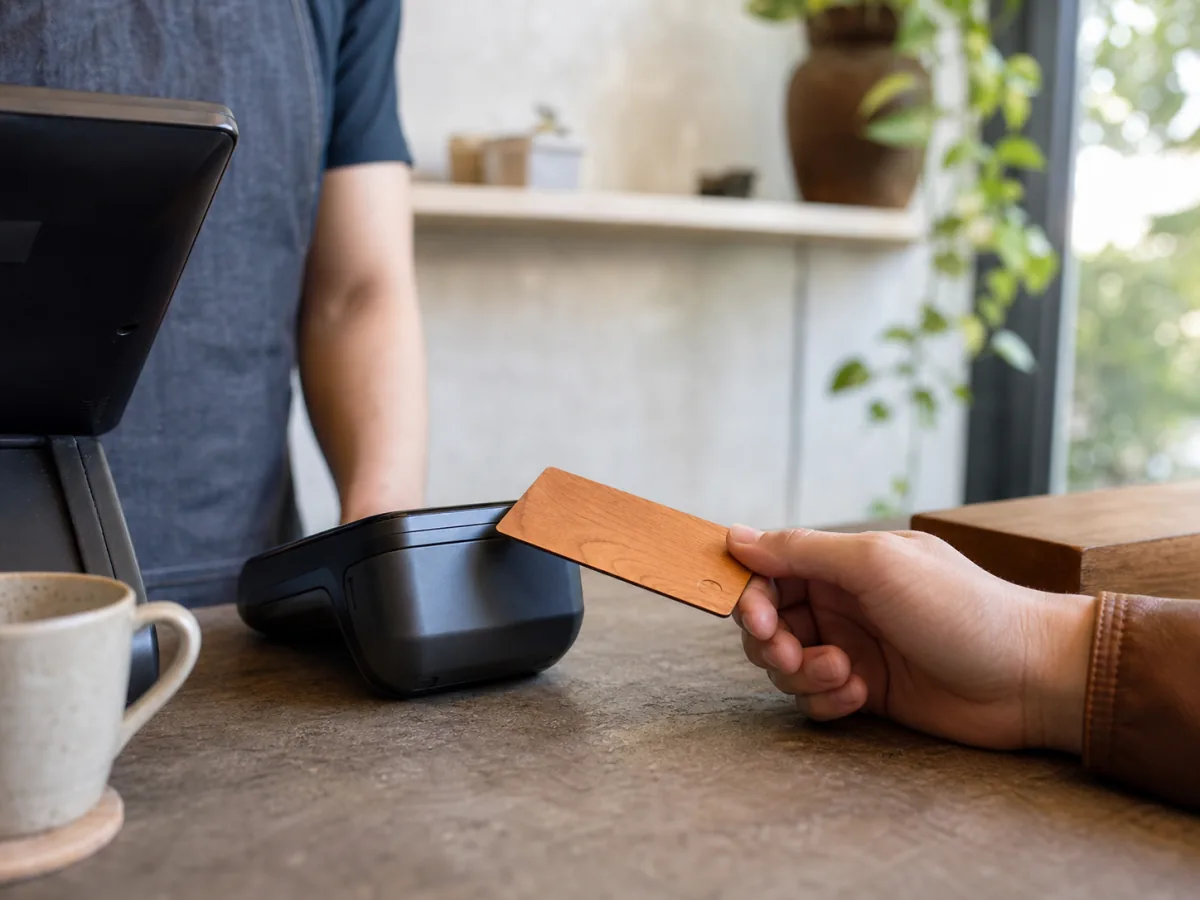
A phone tap or scan can open priority booking, vehicle preparation, dining, event registration, amenity reservation, renewal, or a managed service contact. Use a stable redirect and authenticate private actions. Keep the first screen focused on the most frequent tasks rather than sending members to a general homepage. QR and visible serial provide recovery when a phone tap is unfamiliar or unavailable, and all routes should map to the same controlled member record.
(06) — Blog
5–7. Better presentation, controlled scarcity, and continuity.
Wood supports a distinctive welcome moment, a genuinely limited founder issue, and a durable physical reminder of the relationship. Small quantities are practical because there is no minimum order, but scarcity should be documented through numbering and issue rules rather than vague exclusivity. When benefits change, the digital profile can update while the object remains stable. When membership ends, active rights can be disabled while the card becomes an inert keepsake, preserving memory without preserving access.