(02) — Blog
Specify a surface that can follow the cleaning routine.
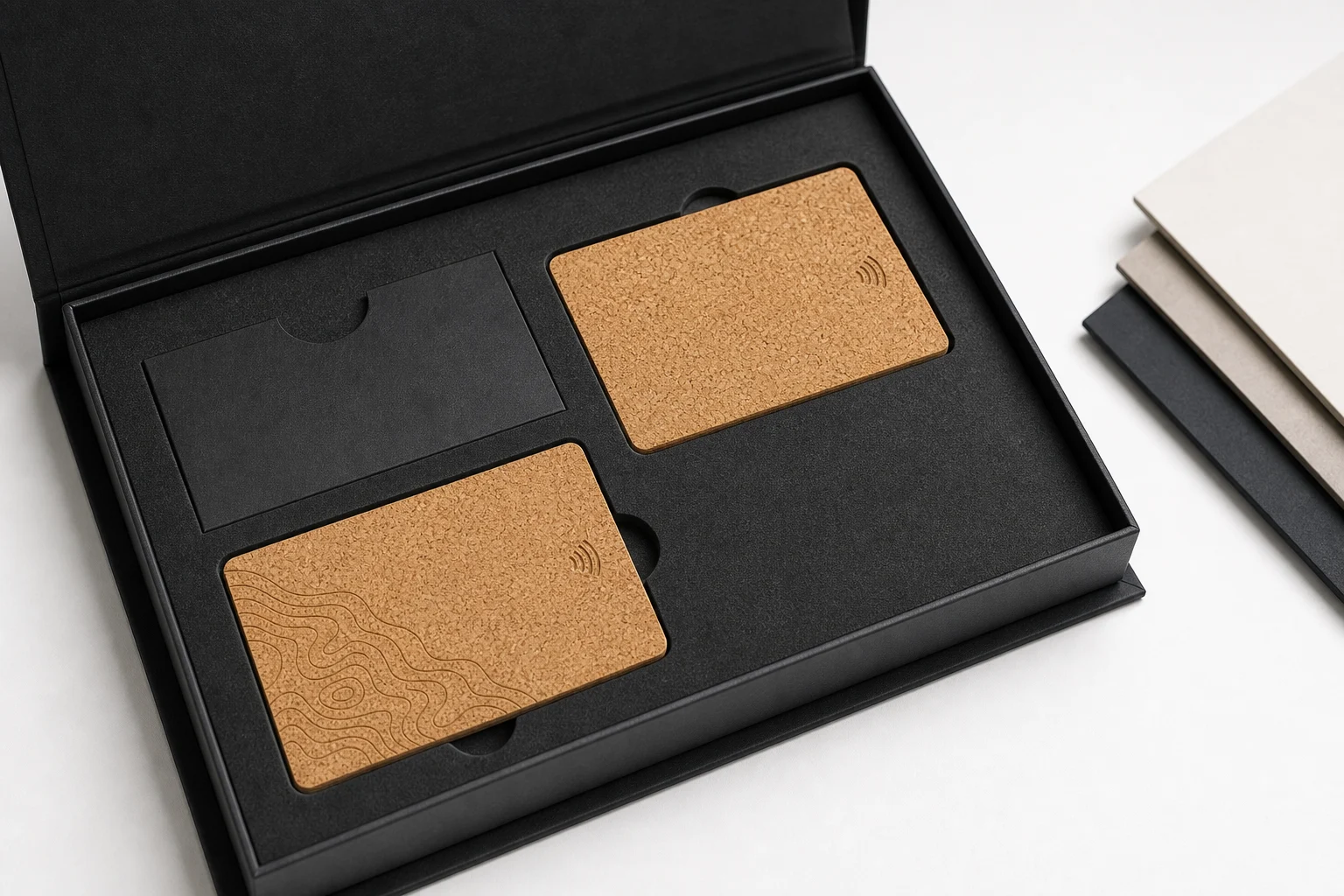
Ask which approved cleaning products, wipe frequency, moisture levels, and storage conditions the club actually uses. Then test the sealed face, printed details, and edges against that routine. Wood should not be marketed as inherently hygienic; the relevant fact is whether the chosen sealed construction can be maintained under the club's procedure. A sleeve may protect presentation but becomes inconvenient at lockers, so decide from the member journey rather than from the unboxing photograph.
(03) — Blog
Use natural material without turning the card into décor.
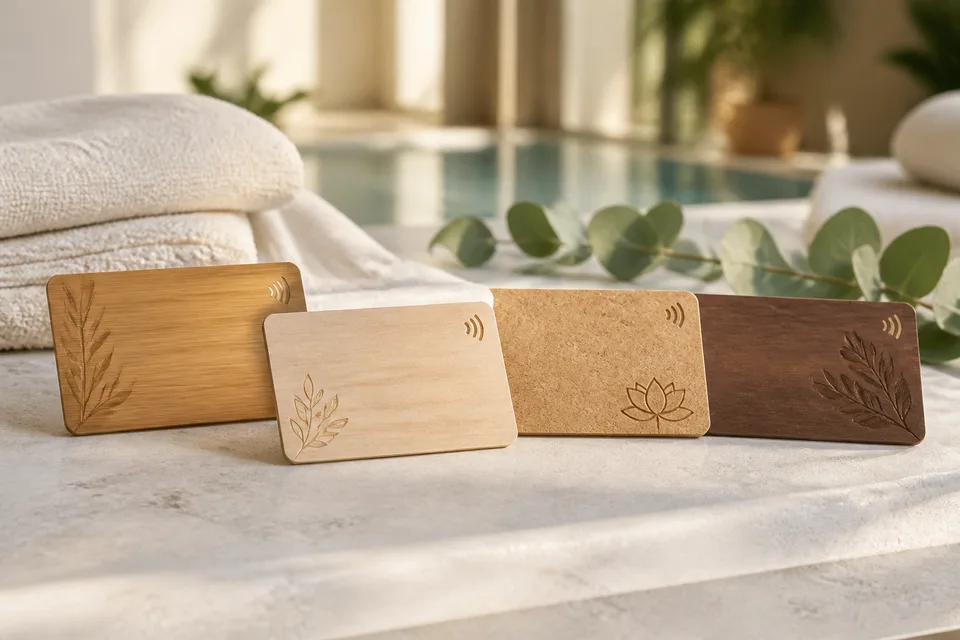
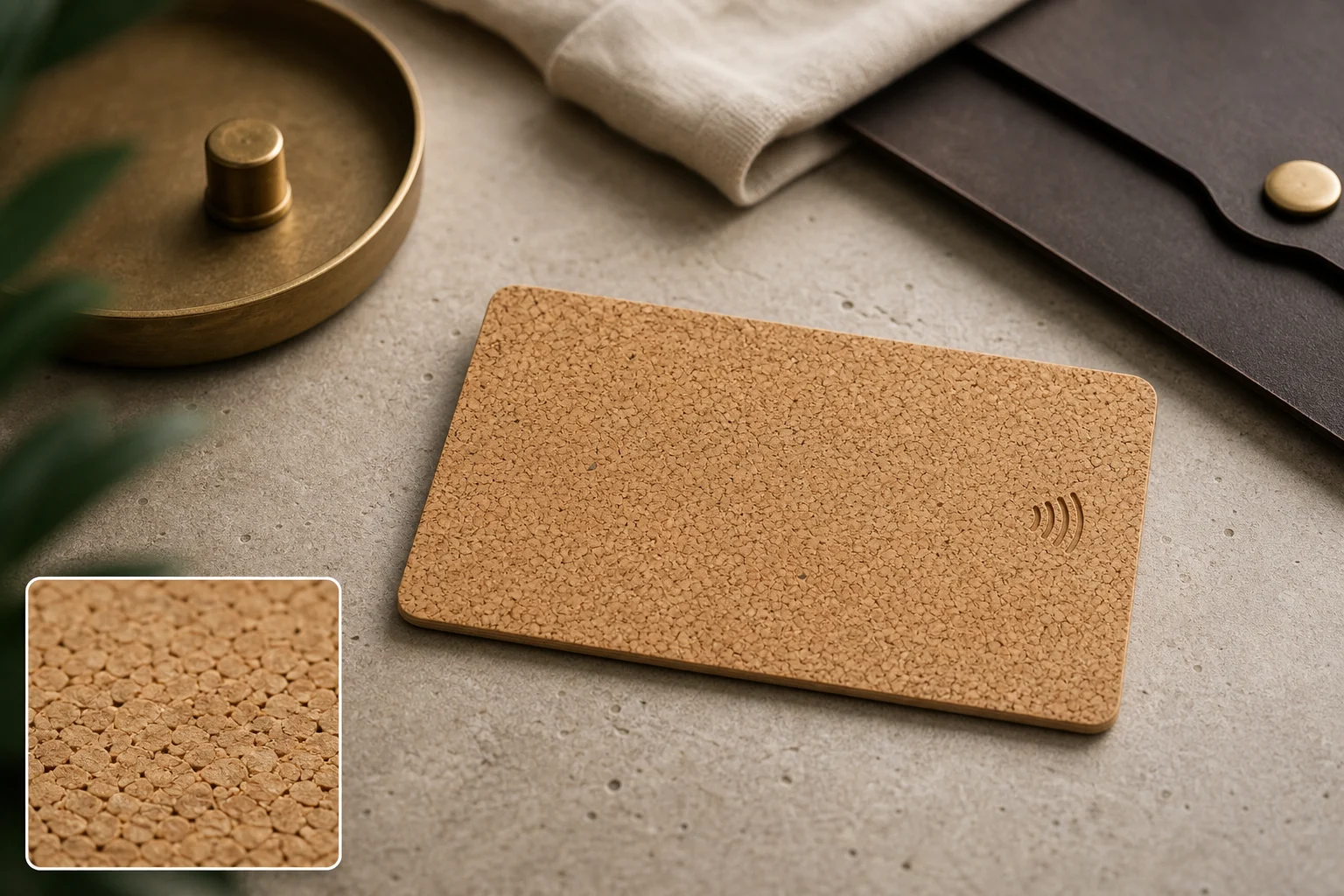
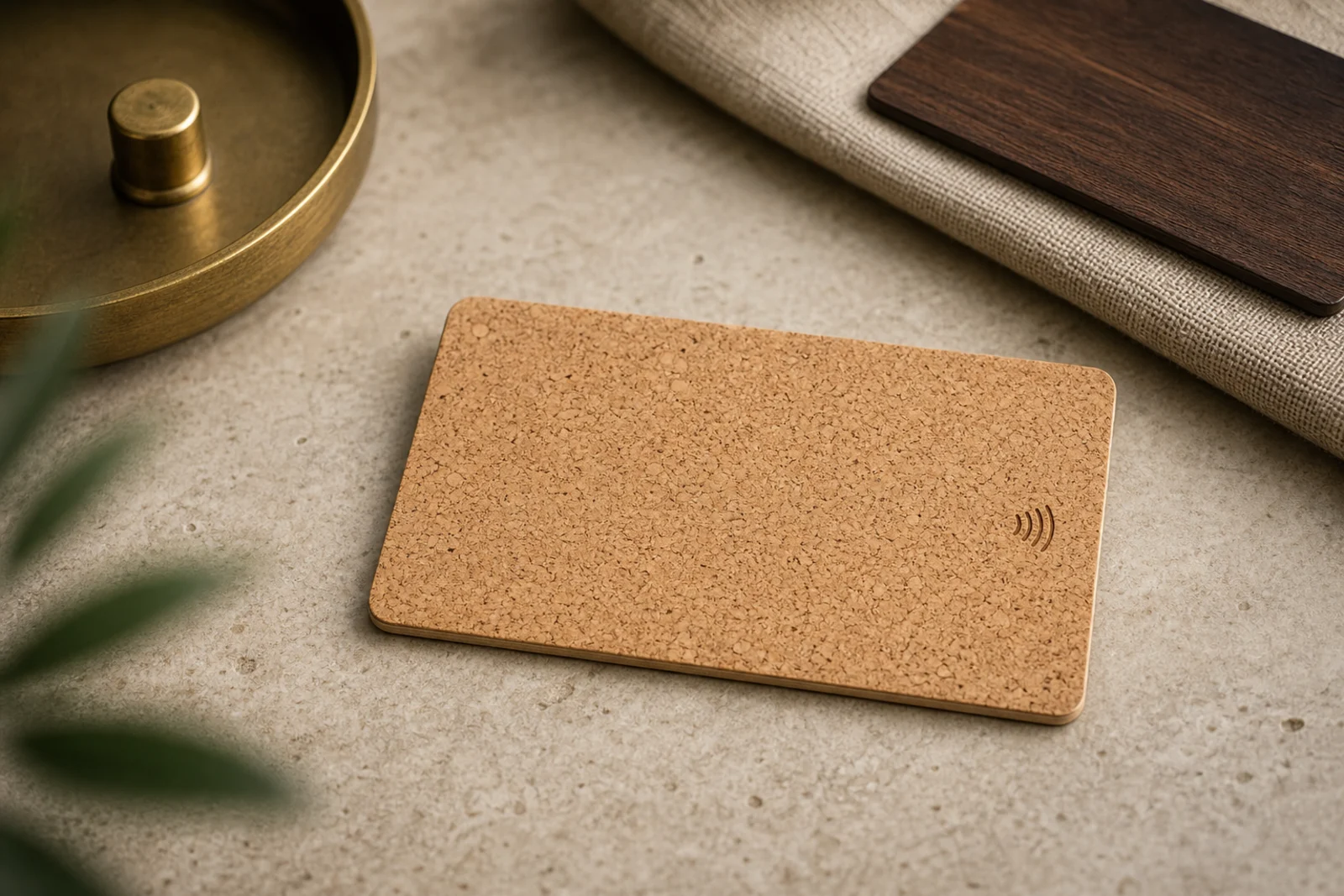
Birch, beech, and bamboo support a pale, quiet visual language; walnut or black wood can suit private high-contrast programs. Keep enough grain visible to make the material credible. Laser marks, white ink, and small foil or gloss details should serve identification, not overwhelm it. Because each surface varies, approve an acceptable grain range and locate names, numbers, and QR codes in stable contrast areas. The card must remain easy for reception and treatment staff to recognize.
(04) — Blog
Separate access, booking, and sensitive records.
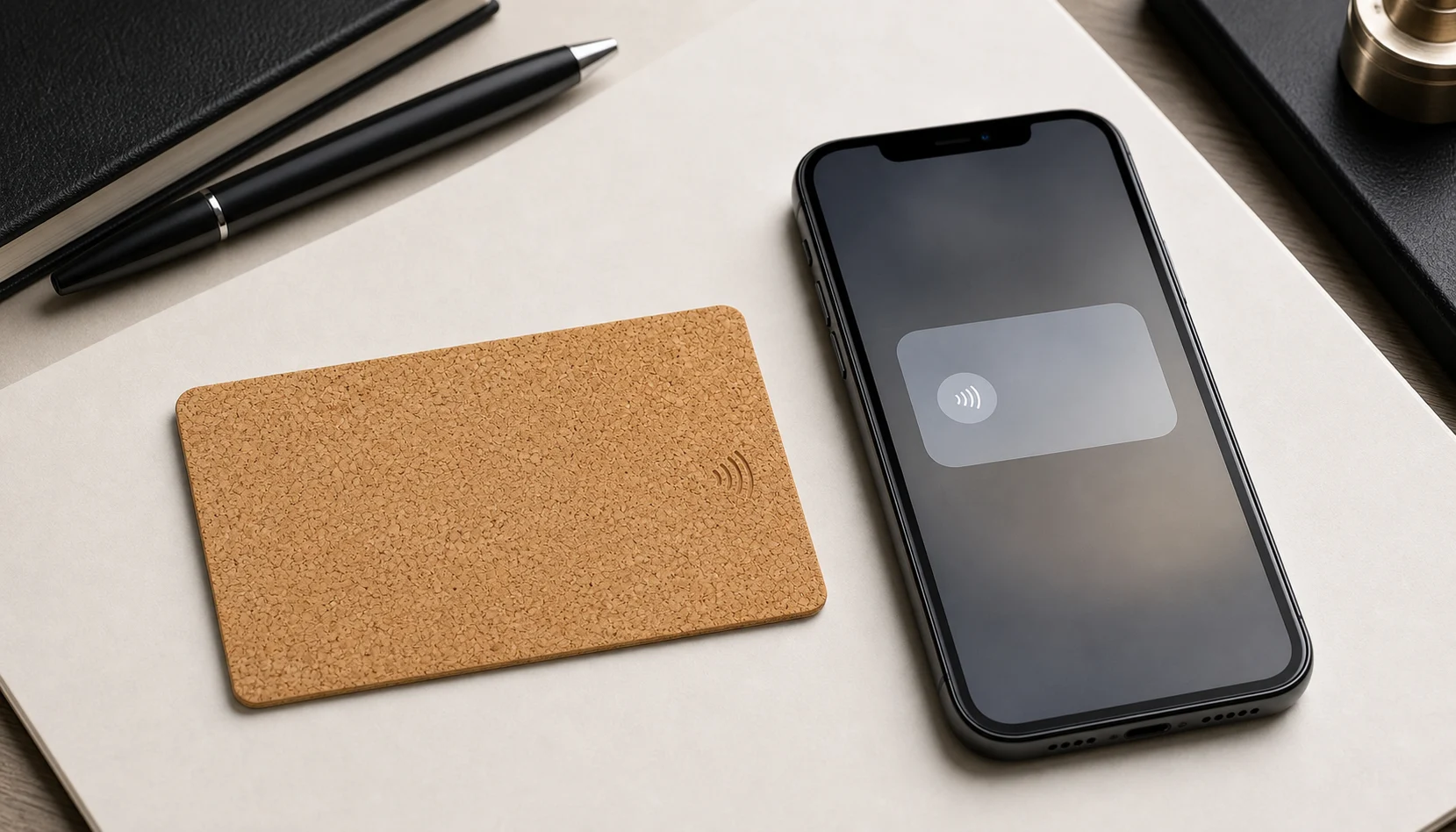
An RFID credential may operate the entry or locker system, while NFC or QR can open booking, class schedules, account pages, or a member contact route. Health notes, treatment history, biometrics, and personal preferences belong in the protected club platform, never openly on the card. Decide whether a phone tap is public, authenticated, or merely a route to login. The visible surface should disclose no more than the member needs to carry through the facility.
(05) — Blog
Test where moisture and reader housings change behavior.
A wooden card approved on an office reader still needs trials at the actual turnstile, locker, lift, or treatment-zone device. The final species, body thickness, inlay, finish, and adhesive stack can influence antenna tuning, and wet handling changes how members present the card. Test representative phones separately for NFC. If the card is carried in a robe pocket, wallet, or sleeve, reproduce that use during acceptance and document a practical fallback for failed reads.
(06) — Blog
Design renewal and lost-card handling with discretion.
Membership status, access windows, freezes, and treatment eligibility change more often than the physical card. Keep these rules in the live platform. Link the visible serial and encoded ID to the member record so staff can disable a lost credential, issue a replacement, and see which version remains active. For discreet handoff, use a simple matched sleeve and a short instruction card explaining tap, access, care, and privacy instead of a large gift package that may feel out of place in a wellness setting.