(02) — Blog
Choose the ownership moments worth connecting.
Map the first year after delivery: onboarding, service booking, seasonal inspection, collection and return, accessories, owner drives, technical briefings, new-model previews, and renewal. Select a few moments the dealership can serve consistently. The wooden card becomes useful when it gives the owner a clear route or helps staff recognize a defined service level. It should not become another unmaintained benefits list placed in the delivery box.
(03) — Blog
Coordinate wood with the handover environment.
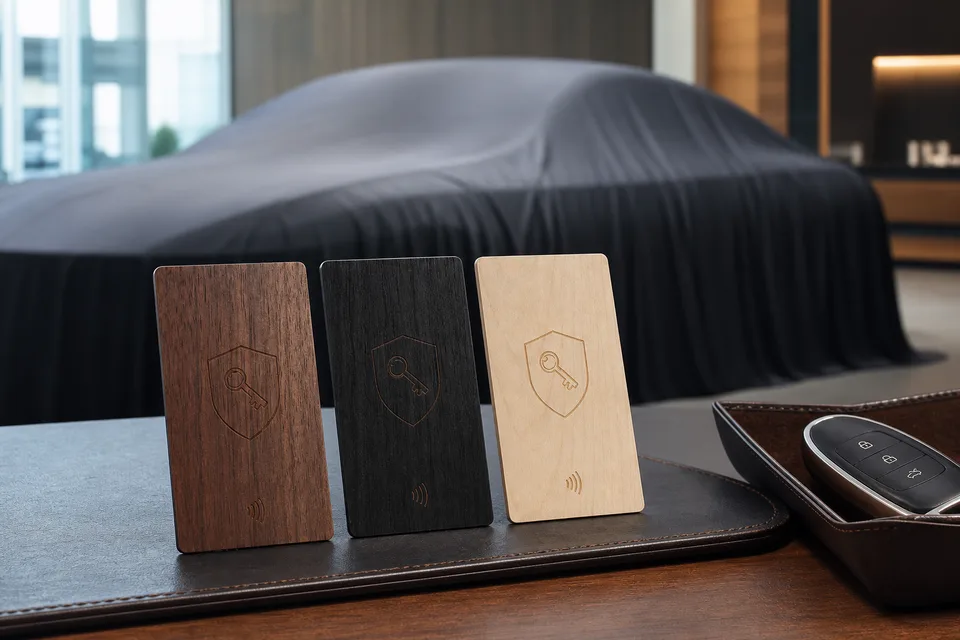
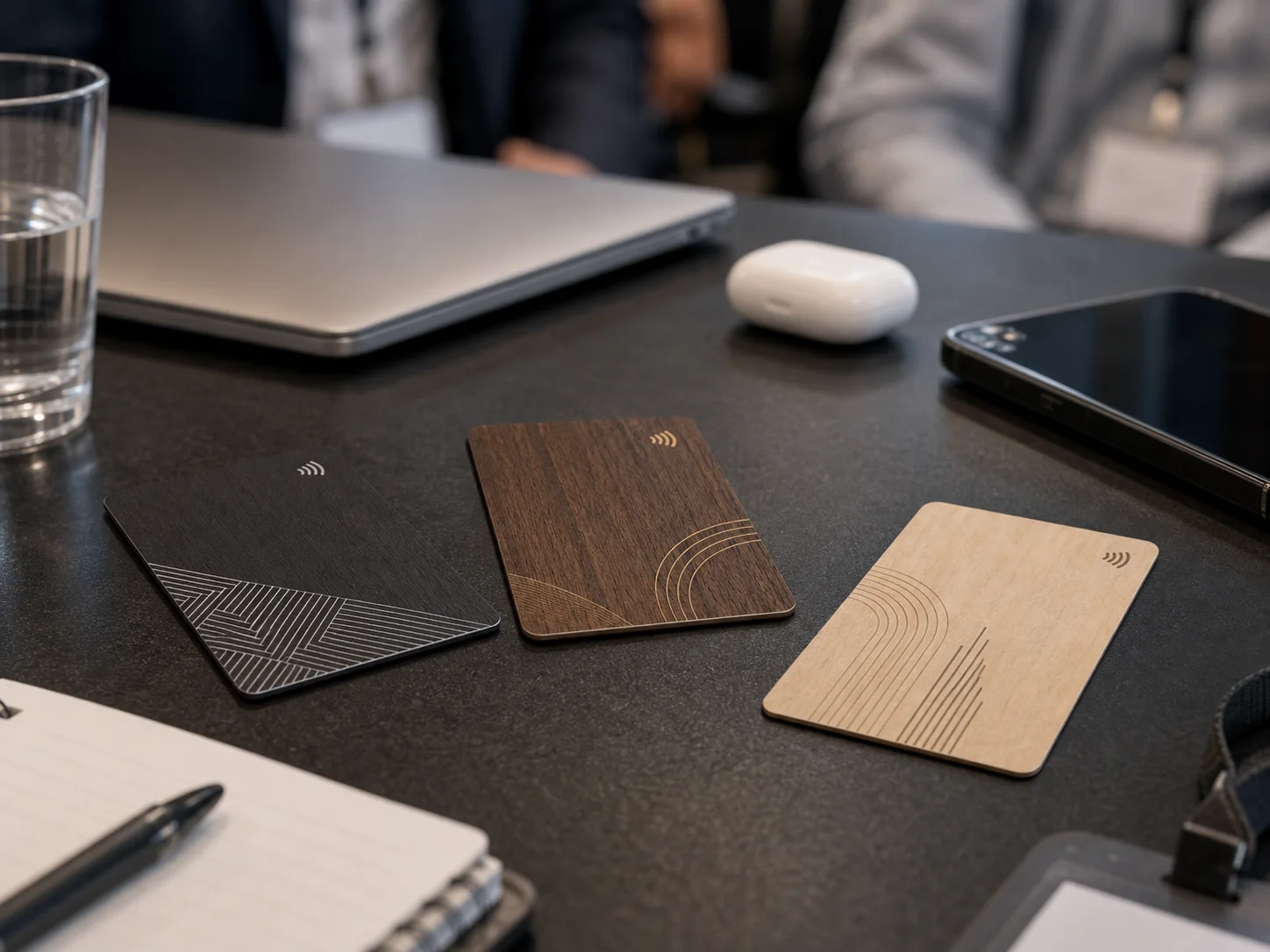
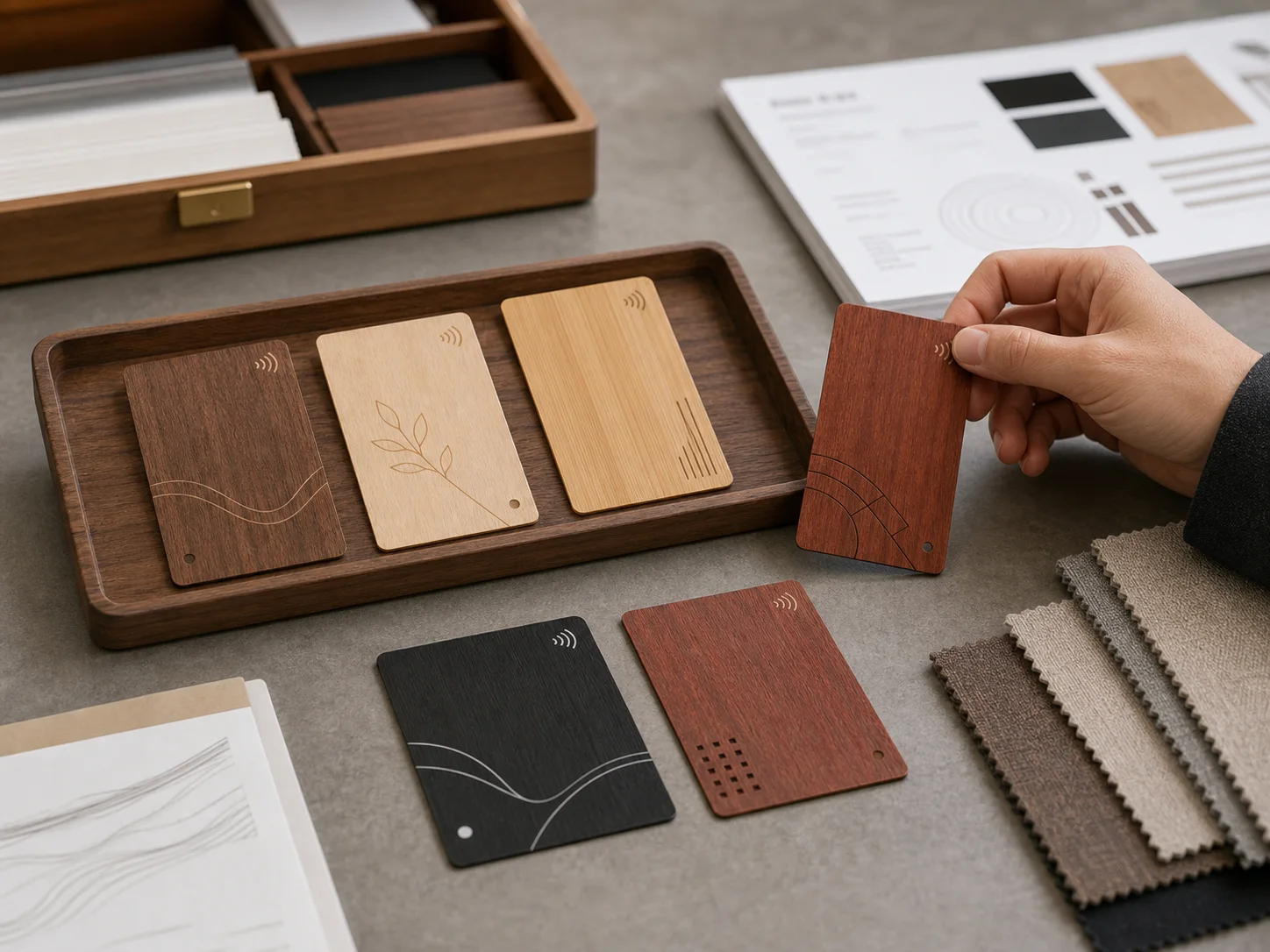
Review walnut, birch, sapele, bamboo, or black wood beside the delivery lounge, stationery, and presentation materials. A material connection to interior trim can inspire the direction, but avoid claiming an exact vehicle match unless the supply and approval process truly controls it. Use natural grain as a premium signal and reserve a calm area for owner name, ID, serial, and tap guidance. The result should feel like dealership hospitality rather than a replica dashboard panel.
(04) — Blog
Make the digital route useful after delivery day.
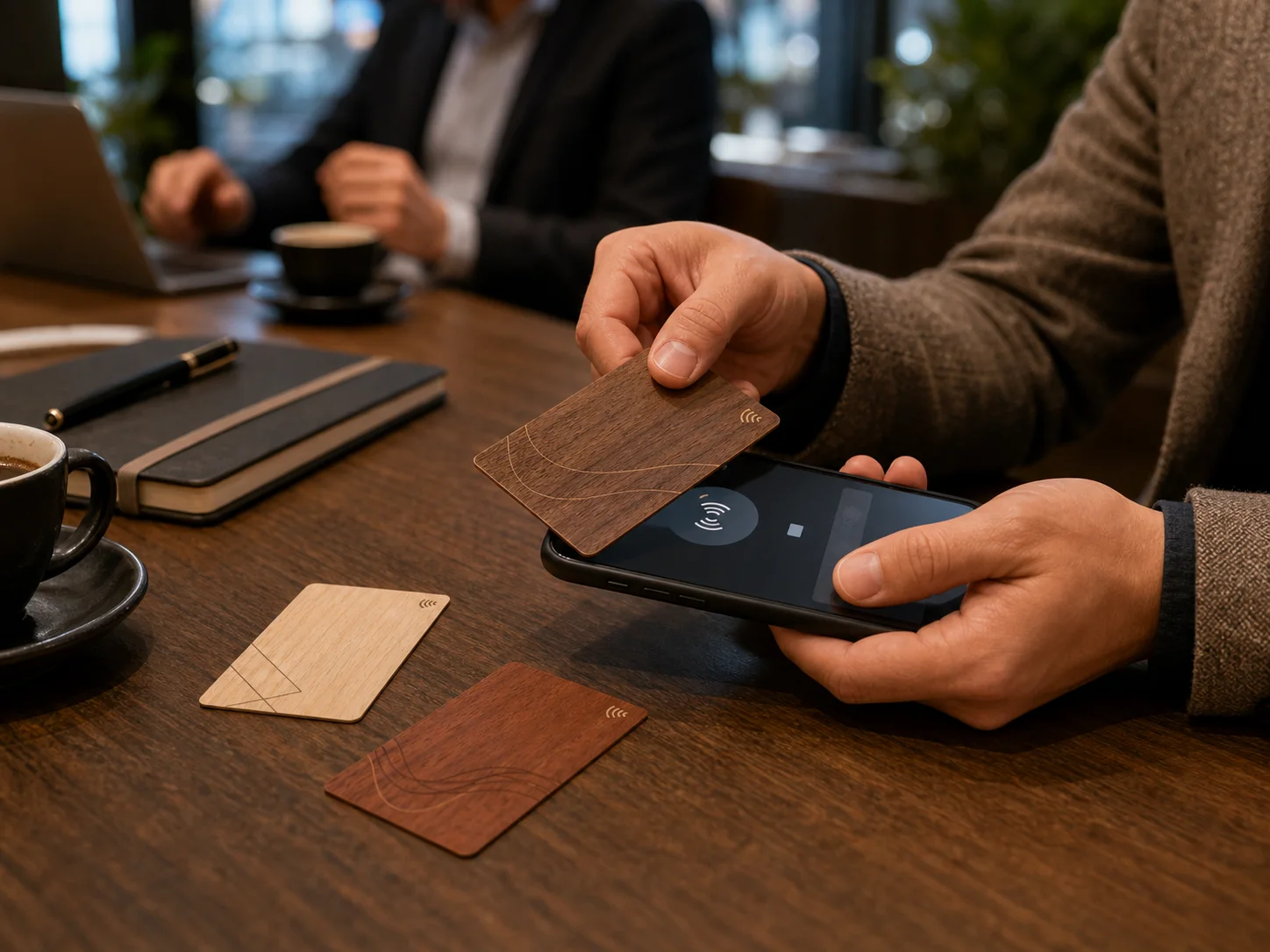
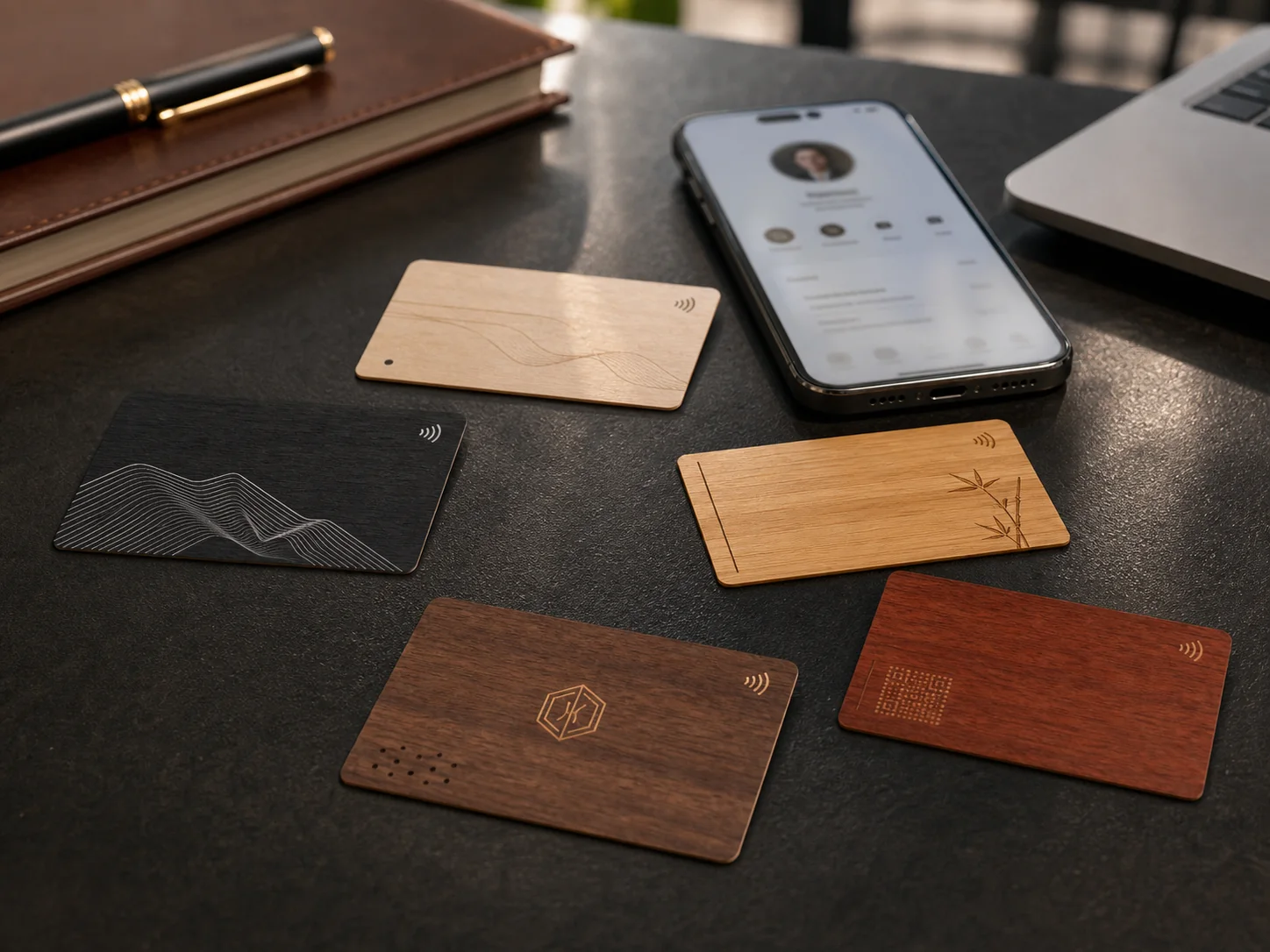
NFC or QR can open service booking, roadside contacts, accessory consultation, event registration, collection requests, or a controlled owner portal. Use a managed destination so services can change without replacing the card. Personal records and vehicle details should sit behind authentication. The public tap result can identify the program and invite secure login, but it should not reveal an address, registration, vehicle identifier, or service history.
(05) — Blog
Keep membership separate from vehicle and payment functions.
The owner card can identify a program, operate a compatible dealership or event reader, and open phone services. It should not suggest that it unlocks or starts the vehicle, replaces the manufacturer's key, or acts as a bank card. Clear visual language and plain onboarding protect trust. If a facility-access role is required, specify the actual reader and prove the final wooden credential there rather than borrowing payment or key imagery to imply capability.
(06) — Blog
Use one owner record from proof through reissue.
Name, owner ID, level, delivery date, serial, QR payload, NFC destination, sleeve label, and internal record should come from one controlled file. Proof the longest names on the selected grain and reconcile every variable element before packing. Define what happens after resale, program expiry, or a lost card. Active access and private routes should be disabled, while an inactive physical card may remain with the owner if the dealership's policy allows it.