Car club guide · 8 min read
Custom Wooden RFID Membership Cards for Car Clubs
Custom wooden RFID cards give car clubs a material language rooted in craft, heritage, and ownership rather than the usual black-and-metal performance cues. The card can still identify members, support event check-in, operate a compatible reader, or open an NFC member route, provided the wood construction and program rules are designed together.
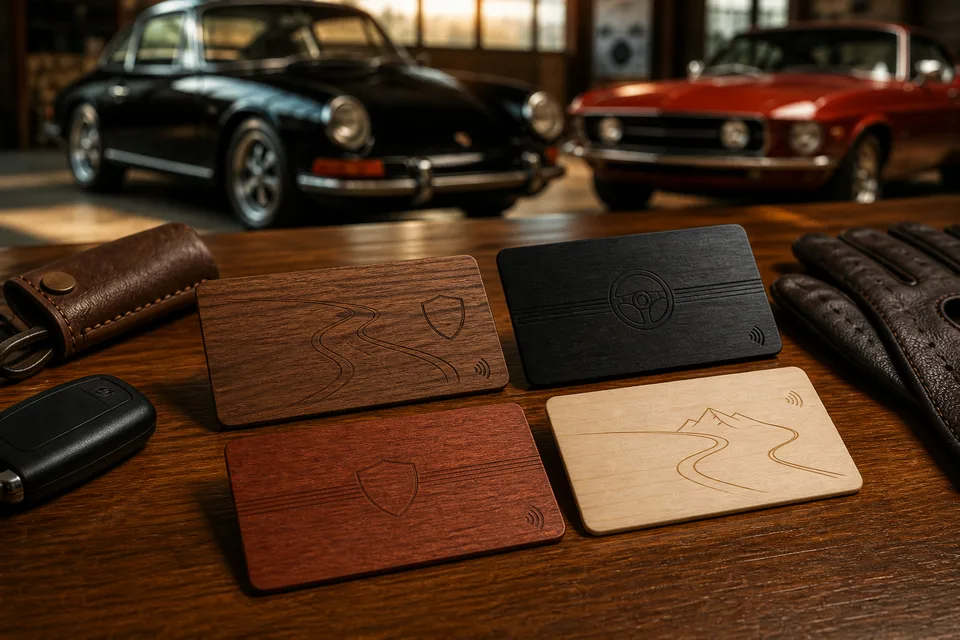
Industry program views
Build the club identity from wood, not from automotive clichés.
Species, engraving, member data, event use, and access technology can reflect the club's actual culture without pretending the card is a vehicle key.
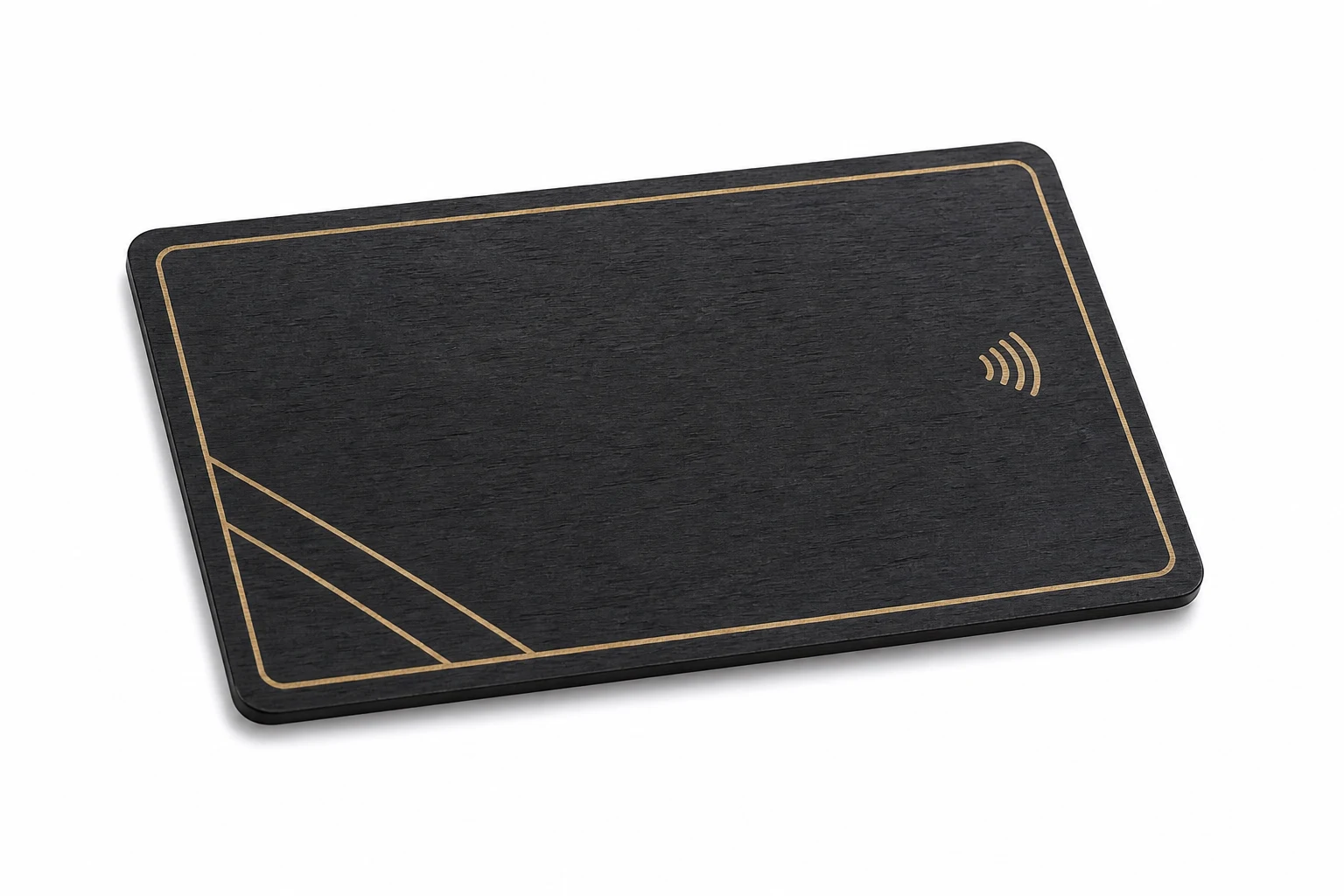
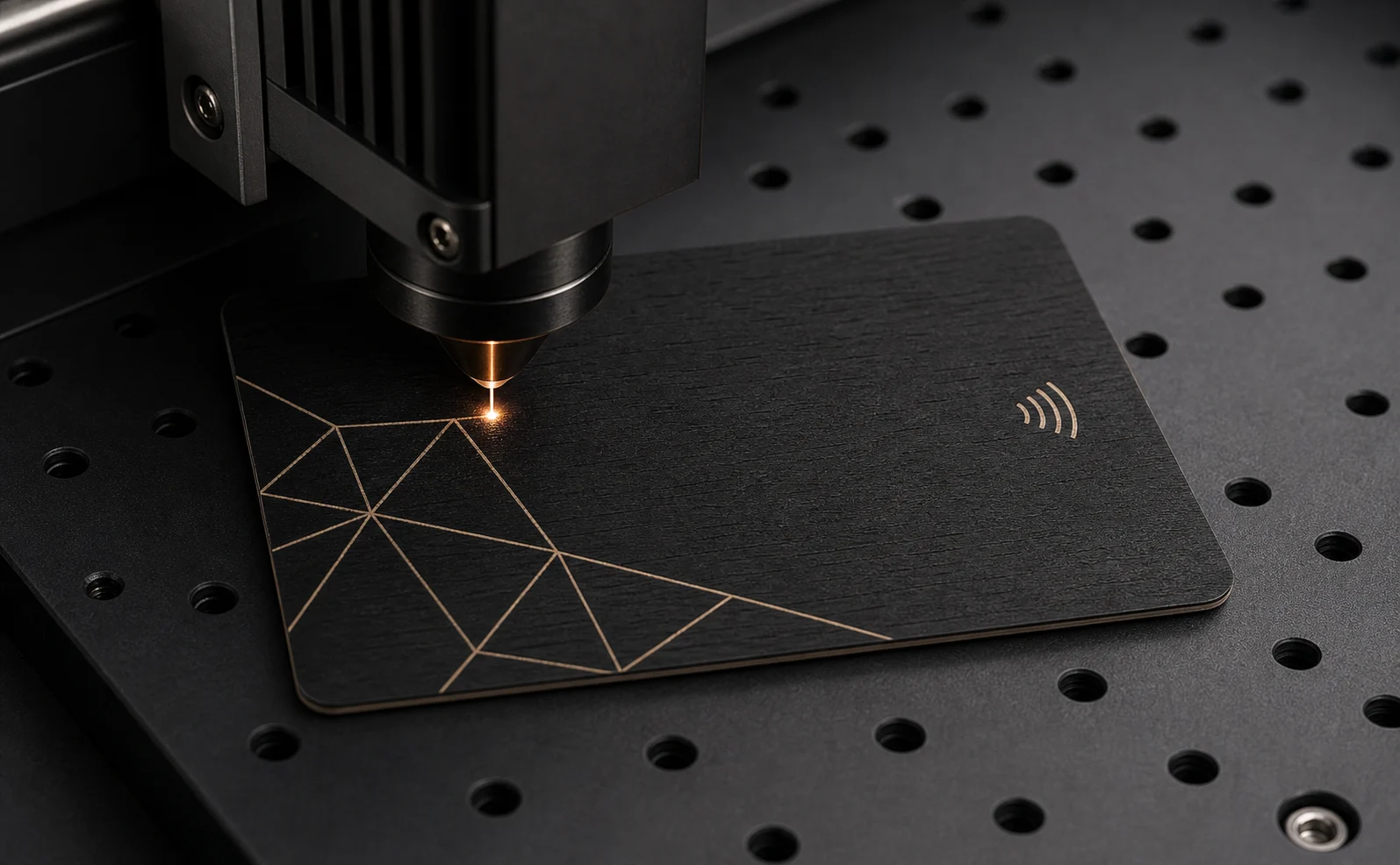
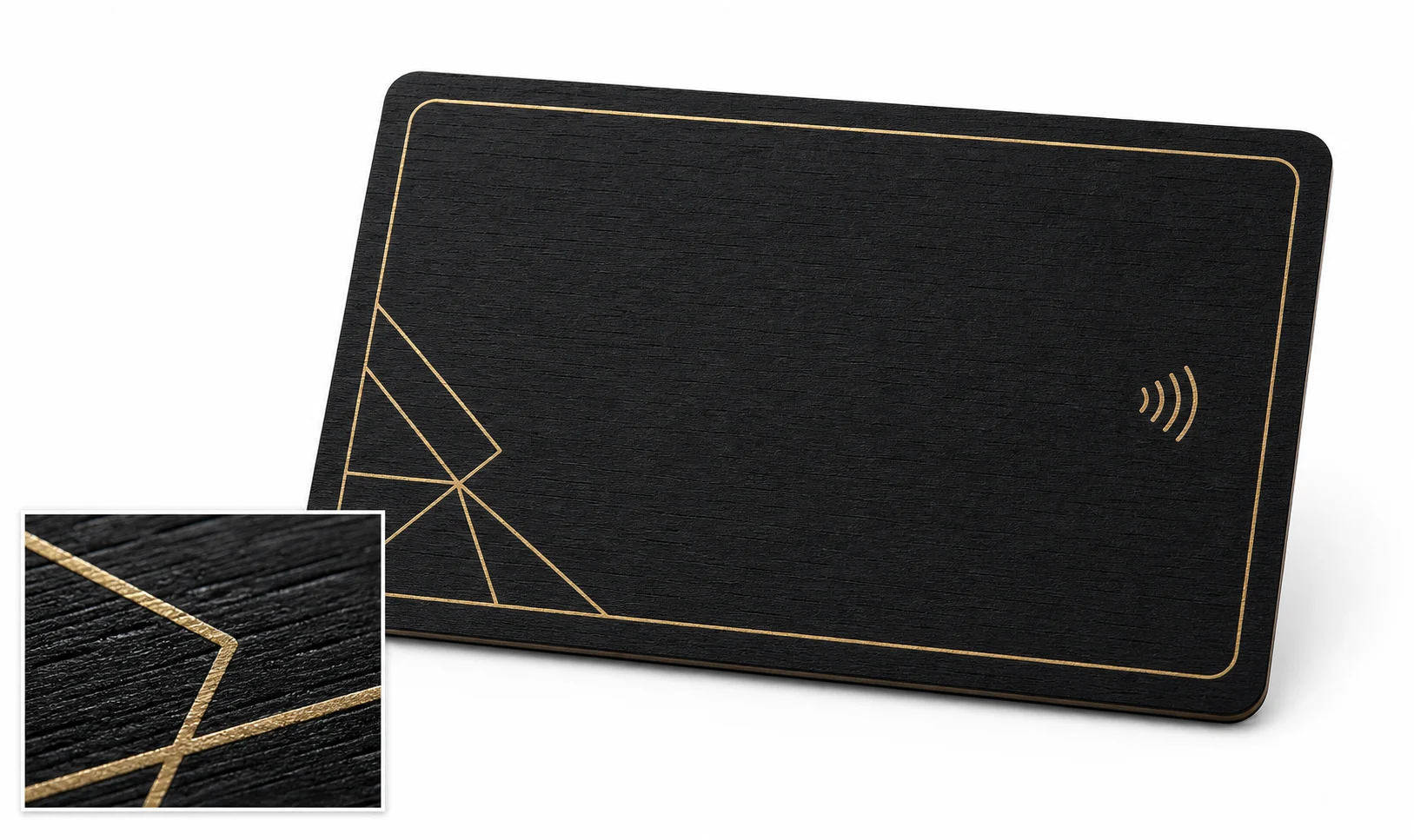
Let the club's cars and places choose the material direction.
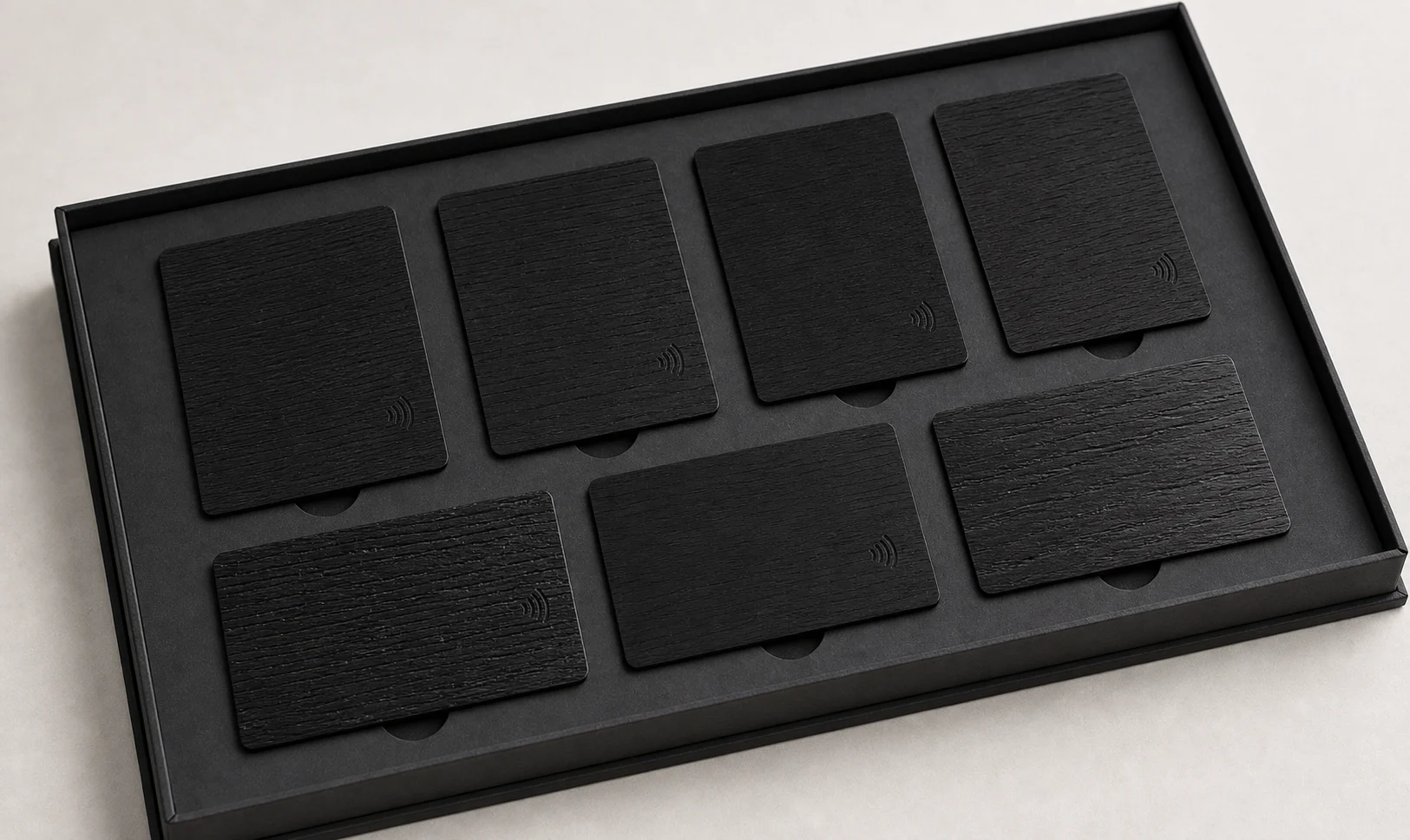
A historic touring club, modern owners' group, restoration community, and off-road association do not need the same card. Walnut can echo dashboards and coachwork; pale birch supports technical maps and black line art; cherry or sapele brings warmer heritage color; black wood can carry a modern minimal identity. Start from the club's vehicles, meeting places, and rituals, then select a species and marking method that feels specific rather than applying a generic racing stripe.
Give the credential one clear operational job at a time.
The card may be visual membership proof, an NFC route to event registration, an RFID credential for a clubhouse, or a QR-backed pass for drives and gatherings. These are different technical paths. Document the actual reader, phone, scanner, and fallback before selecting the chip. Do not describe the card as unlocking or starting a car. Vehicle-key systems are separate qualified products; the wooden membership card should concentrate on member identity, club access, and service journeys it can honestly support.
Build tiers with species, marks, and data—not grain alone.
Natural grain creates individuality but cannot reliably signal a tier by itself. Combine walnut, bamboo, black wood, or a controlled stain with an explicit founder, member, heritage, touring, or guest label. Serial prefixes and small icons help staff recognize the category even when grain runs darker than expected. Approve a material range for each tier and keep names, QR codes, and critical numbers in stable zones. Reorders should reference the same range rather than promise an impossible visual match.
Make the member route worth tapping.
A tap should do more than open the club homepage. Useful destinations include a current event calendar, members-only drive registration, route notes, partner benefits, club rules, renewal, or a controlled contact channel. Use a managed redirect so the destination can change while the physical card remains in use. Authenticate anything that exposes personal or vehicle data. Give the card a clear tap marker and retain QR or staff lookup as an alternative at crowded events.
Approve the complete issue, not just the face design.
Review the final wood body, edge, thickness, inlay, encoding, variable names, serials, packaging, and the actual device flow. Test the sample in daylight, inside a wallet, at the clubhouse reader, and at any event check-in where it will be used. Reconcile printed serial, QR payload, NFC record, and member file before production. The same discipline should cover lost-card disabling and replacements so a collectible object never becomes an uncontrolled active credential.
Best uses
- Owners’ clubs, touring groups, and marque communities
- Founder, heritage, touring, and guest tiers
- Clubhouse and event identification
- NFC calendars, registrations, and member services
Relevant wooden RFID card routes
Frequently asked questions
Can a wooden car club card start a vehicle?
This membership guide does not cover vehicle-key systems. The card should not make that claim unless a separate qualified integration has been designed and approved.
Which wood suits a heritage car club?
Walnut, cherry, and sapele offer warm heritage character; birch is useful for map-like graphics and high-contrast variable data.
Can each member card have a different name and number?
Yes. Names, tiers, serials, QR codes, encoded IDs, and packing records can be generated from one controlled member file.
Specification
| Card body | FSC-certified wood stock; plastic-free body available |
|---|---|
| Thickness | 0.80 mm to 2.0 mm, selected with the chip and reader |
| Minimum order | None — from one working sample to production runs |
| Typical production | We normally produce in about one week after artwork and sample approval |
| RF approval | We test the final wood, inlay, chip, thickness, finish, and target device together |
| Data control | Printed data, QR, NFC or RFID encoding, and packing records reconciled |
| Design source | Club vehicles, places, routes, and culture rather than generic racing motifs |
| Data match | Member name, serial, QR, NFC or RFID ID, and issue record from one file |
Related wood RFID card pages
- Wooden RFID Membership Cards for Yacht Clubs and Marinas
- Wooden RFID Membership Cards for Private Aviation and FBO Lounges
- Wooden RFID Membership Cards for Golf and Country Clubs
- Wooden RFID Cards for Luxury Residences and Private Clubs
- Wooden RFID Membership Cards for Private Wellness Clubs
- Wooden Membership Cards for Car Detailing Studios
- Wooden VIP Membership Cards for Luxury Car Rental
- Wooden RFID Membership Cards for Private Car Storage
- Wooden VIP Owner Cards for Premium Dealerships
- Wooden VIP Passes for Rallies, Track Days, and Car Events
- NFC, RFID, or QR for Wooden Automotive Membership Cards?
- How to Design Membership Tiers with Wooden Cards
- What Can Be Personalized on a Wooden RFID Card?
- Wood vs Plastic Membership Cards for Automotive Programs
- How Wooden NFC Cards Connect Automotive Member Portals
- Seven Benefits a Wooden VIP Card Can Support